Sunroom Decor Ideas: Layout, Color and Furniture
Sunroom decor ideas for any size: how to pick furniture, colors and textiles, handle glare, and make a small or 3-season sunroom feel finished.

By Julio Arco
Architect and online interior designer
In this post
Start with how you'll use the room, then pick one comfortable seating group, a light and calm palette, and fabrics that survive strong sun. Everything else in a sunroom is styling around those three decisions.
It's very common to inherit a sunroom with no plan for it, so don't worry if yours has become a plant graveyard or a place where the laundry basket lives. These modern sunroom decor ideas work for a glassed-in nook as well as a larger room.
Decide what the room is for first
A sunroom can be a reading spot, a breakfast area, a plant room, a home office or a mix. Choose the main job and let it set the furniture. Two jobs fit comfortably in most rooms; four usually means clutter.
Then mark zones with a rug, a lamp or the direction a chair faces. A low open bookshelf divides a room without blocking light. Keep a walkway of about 30-36 inches so you can cross the room without turning sideways.
What furniture do you put in a sunroom?
Start with one main seat: a loveseat, a small sofa or two armchairs facing each other. Add a side table within reach of each seat, and one surface for a drink or a laptop. After that, choose based on the room's job:
- Dining: a small round table with two to four chairs.
- Reading: a chair with good back support and a floor lamp.
- Plants: a bench, a plant stand or a wide shelf near the brightest glass.
- Lounging: a daybed or chaise that also works for guests.
Pick furniture that handles sun and spills. Washable slipcovers, performance fabric and wood, rattan or metal frames hold up better than delicate upholstery. As an architect, I recommend washable covers on any seat a dog is allowed on, since a sunroom is exactly where pets will nap.
How to decorate a small sunroom
Small sunroom decor ideas come down to keeping the floor visible and the windows unblocked. Choose armless or slim-arm chairs, nesting tables and a bench with storage underneath. Glass or acrylic tables take up less visual space than solid ones.
Go vertical for greenery: wall-mounted planters or a tall shelf give you plants without eating floor area. A mirror opposite a window bounces daylight deeper into the room, though check that it doesn't reflect glare into a seat's eye line.
For a budget version, paint, a secondhand chair with a new washable cover and a few plants do more than buying a matching set.
Use light, calm colors and matte finishes
Light walls reflect daylight and make a compact room feel larger. Warm whites, soft sage, pale greige and muted blue all work, and you can add darker tones in pillows, planters and a rug.
Glossy surfaces bounce light and create sharp glare, while matte or eggshell paint absorbs it and softens shadows. I'd avoid high-gloss on any large surface in a room that is mostly glass.
Light changes with orientation, so test paint samples on the wall and look at them morning and evening. The U.S. Department of Energy's building science resource notes that windows on the north and south side let in natural light, and it is easy to control glare and heat on these facades. East and west glass tends to be the harder one to live with.
Control glare and heat
Sunrooms can be too bright and too hot at the wrong hour. Fixed or adjustable shading helps: the same Department of Energy page says overhangs, fixed shades, louvers, and screens can help control unwanted glare and heat.
Inside, woven shades or sheer linen curtains soften the light and keep the view. UV-blocking window film is another option if your rug or sofa is fading. Choose fade-resistant fabrics for anything in direct sun.
Layer textiles and texture
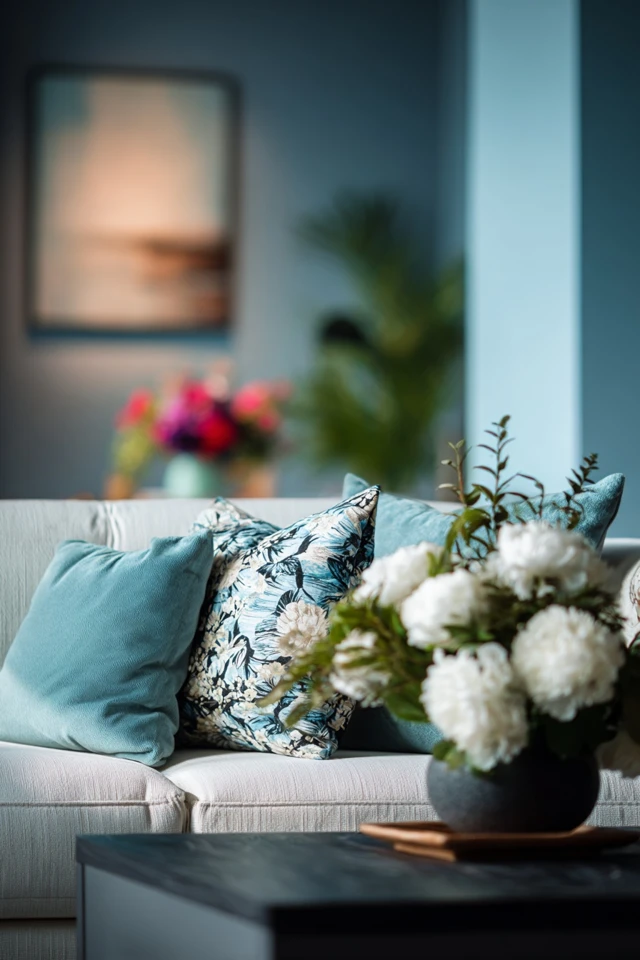
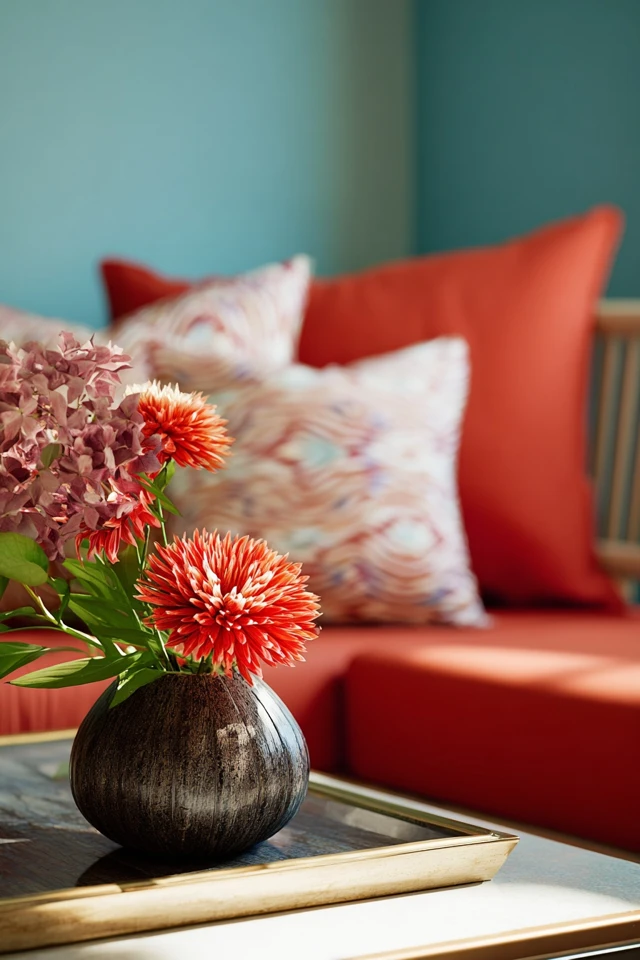
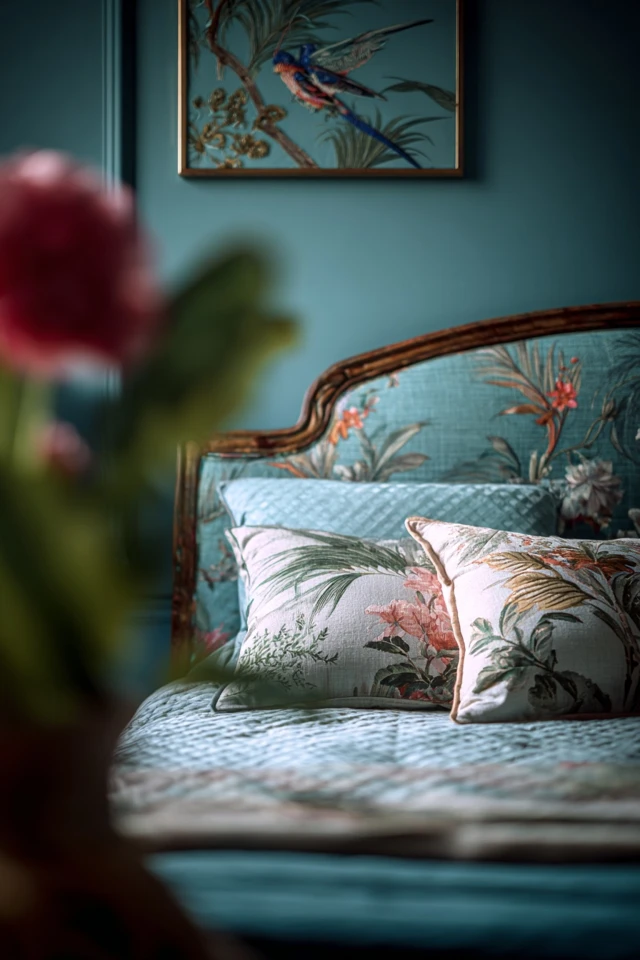
Glass and hard floors can sound and feel cold, so soften them. A jute or flatweave rug, linen curtains and a few cushions in two or three related colors are enough. If you mix patterns, vary the scale: one large, one medium, one small, with a color repeated across them.
Wood, rattan and stone add warmth. A touch of brushed brass or black metal, such as a lamp or mirror frame, gives the room a modern edge without feeling industrial. For pets, a flatweave rug is easier to vacuum than a deep pile.
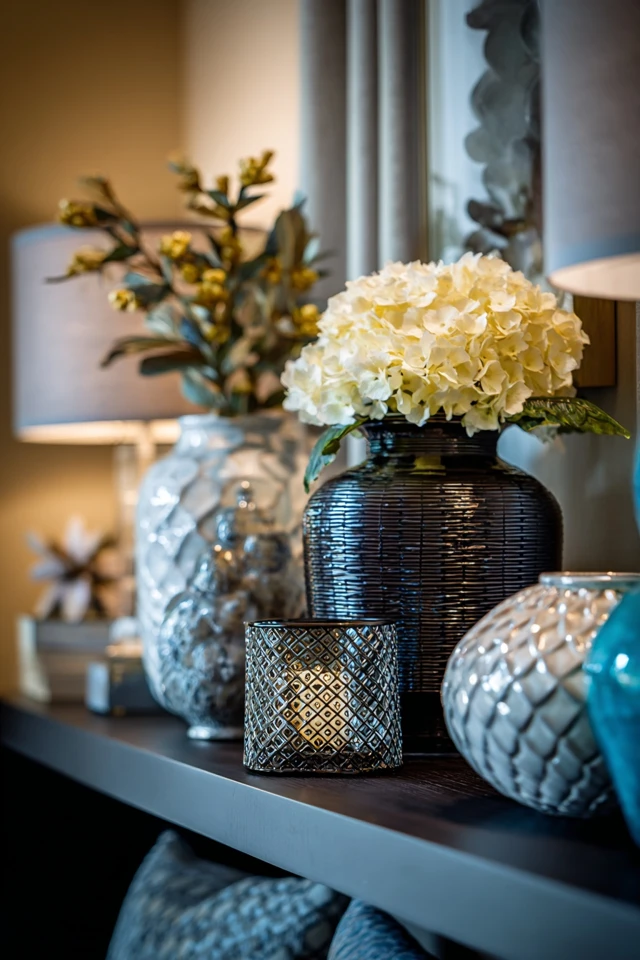
How to decorate a 3 season sunroom
A three-season sunroom is not heated or insulated for winter, so plan for temperature swings. Skip anything that dislikes cold or damp, such as untreated cushions, delicate wood and electronics left out year-round.
- Use outdoor-rated or quick-drying fabrics and store cushions when the weather turns.
- Choose a rug made for outdoor use, which can handle damp and be hosed or swept clean.
- Keep hardy plants in the room and bring tender ones indoors for the cold months.
- Use lamps and string lights for evening, and check with a licensed electrician before adding outlets or fixtures.
Add lighting and a few personal things
Daylight does the work until dusk, so plan for evening with a dimmable lamp, a reading light and perhaps sconces. One lamp at each seat is better than a single bright overhead.
For personality, use a few objects you love: a ceramic piece, framed art, a throw from a trip. If a plant is within reach of a dog or cat, check with your vet about whether it's safe, since several common houseplants are toxic to pets.
Frequently asked questions
How should I decorate my sunroom?
Pick the room's main use, then add one comfortable seating group, a light palette and fade-resistant textiles. Finish with plants, a rug and lamps for evening.
What are some ideas for decorating a small sunroom?
Use slim or armless seating, nesting tables, wall-mounted planters and a mirror across from a window. Keep the floor and windows as clear as you can.
What paint colors work best in a north-facing sunroom?
Warm neutrals such as creamy white or warm beige balance the cooler light. Test samples at different times of day before committing.
How do I mix patterns without making the room feel chaotic?
Keep one color constant across all the patterns and vary their scale. A large, a medium and a small pattern usually sit well together.
Filed under
ArticlesMeet the author
Written by an architect.
Julio Arco is a passionate architect with years of experience in architecture, interior design, urban design, and housing. He studied at prestigious universities across North America and Europe.

- Name
- Julio Arco
- Job
- Architect and online interior designer
- Studied
- Architecture, ITESM · Urban Design and Housing, McGill
- Partner
- Thor, Australian Shepherd
- Thor’s title
- Head of quality control