Small Pantry Ideas for a Small Kitchen, on a Budget
Small pantry ideas that fit tight kitchens: pull-outs, shelves, carts and closet conversions, plus layout clearances and storage rules.

By Julio Arco
Architect and online interior designer
In this post
You can add a pantry to a small kitchen without a remodel. The cheapest routes are a slim pull-out between appliances, a rolling cart, a closet or alcove fitted with shelves, and a wall of open shelving for everyday items.
Most small kitchens already have the space; it's just unused height, deep cabinets where food disappears, and awkward gaps. Here are the small pantry ideas I'd start with, plus the layout numbers and storage rules that make them work.
What is the best design for a small pantry?
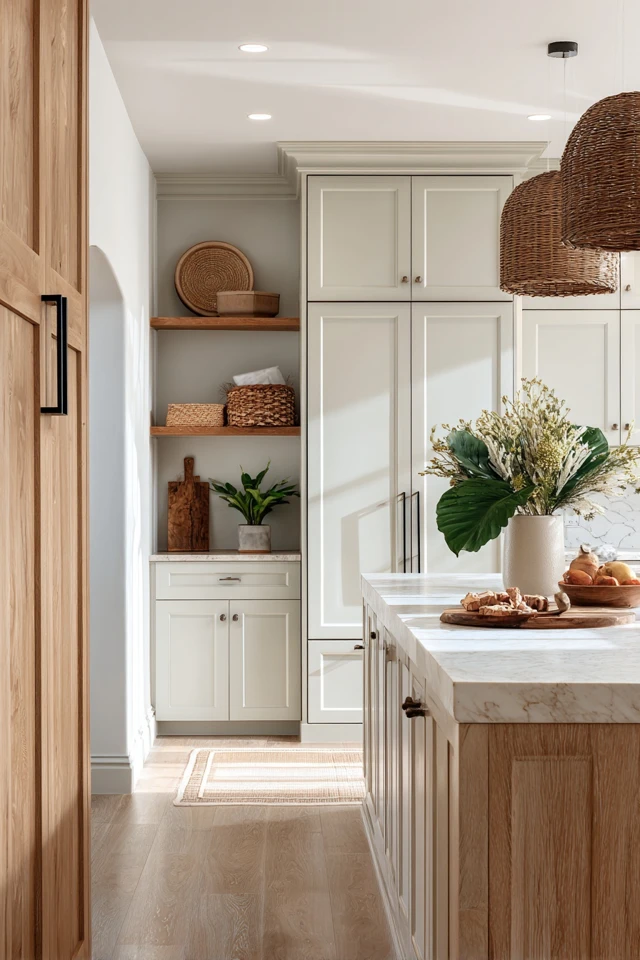
The best small kitchen pantry designs use vertical space and keep everything visible. Narrow, tall and shallow beats wide and deep, because items in deep shelves get lost behind other items.
For the small pantry design layout, think about where you actually cook. Put the pantry near the fridge, sink and stove so you take fewer steps while cooking. Leave about 36 inches for a main walkway where you can, and at least 24 inches of clear space in front of a pantry door or pull-out so you can open it and stand in front of it.
How do you make a pantry in a small kitchen?
Fit a slim pull-out
A pull-out unit about 6-12 inches wide can slot between a fridge and a wall, or between two cabinets. It holds spices, oils and cans, and every shelf is reachable. It's the most efficient use of a dead gap, though it costs more than the other options here.
Convert a closet or alcove
A shallow closet near the kitchen becomes a pantry with adjustable shelves and a few bins. If you're renting, freestanding shelving does the same job and leaves with you. For a hall closet, keep shelves shallow so you can see the back row.
Use a rolling cart
A narrow cart on locking casters tucks into a gap and doubles as prep space. Roll it out when cooking and park it when you're done. It's one of the better small pantry ideas for small spaces and for renters.
Open the wall above the counter
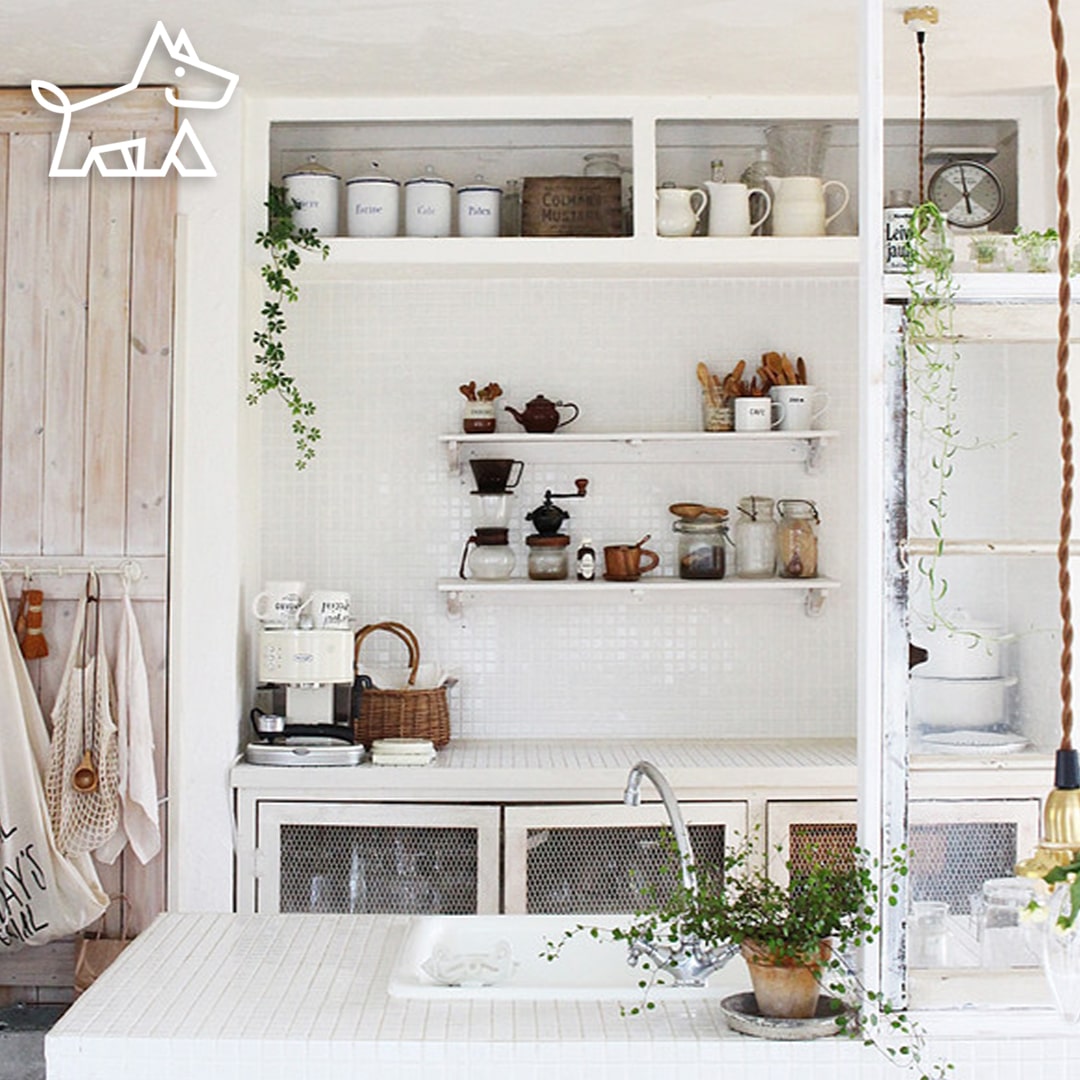
Open shelves hold the things you reach for daily: oils, grains, jars. They look larger than closed cabinets but need some discipline. Matching containers and a few baskets keep them tidy. As an architect, I'd keep open shelving to one wall, so the room doesn't read as cluttered.
How to maximize a tiny pantry
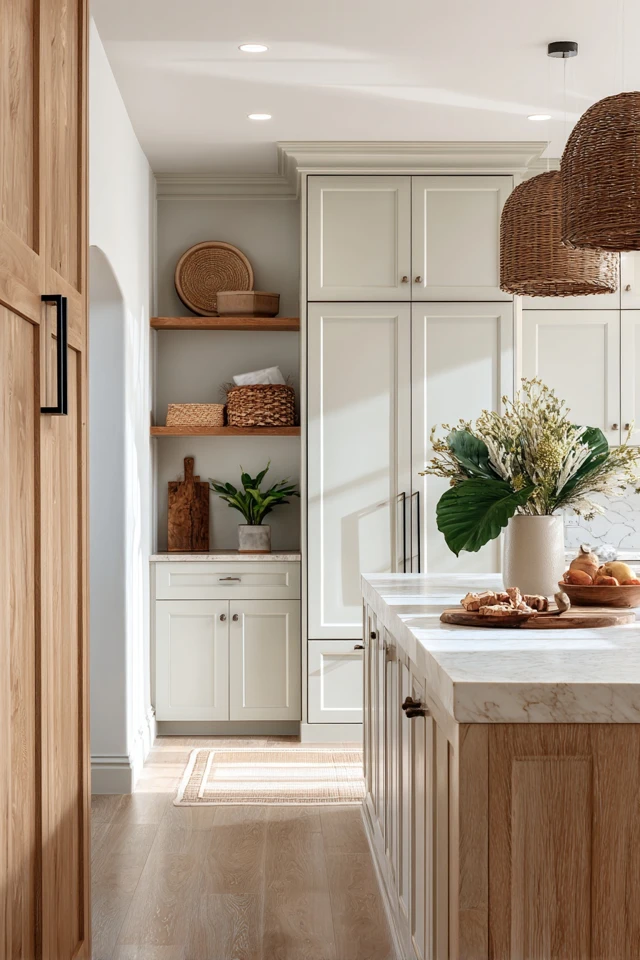
Start with height. Adjustable shelves let you set each level to what it holds, so no air is wasted above short items. Add a pegboard, magnetic spice strip or over-the-door organizer for things that don't need a shelf.
Risers help with the back row. The University of Illinois Extension notes that risers let you see all the smaller items in a cabinet without moving anything, and you can make one by resting a piece of wood or cardboard on two cans of the same size. Lazy Susans and pull-out trays do the same job in deep corner cabinets.
Uniform clear containers for staples save space and show what's low. Label them in large, legible type. Under-shelf battery LED strips make a dark pantry far easier to use, and they cost little.
Where should you not put a pantry?
Heat shortens the life of stored food. Ohio State University Extension points out that cabinets above the range, near the dishwasher or next to the refrigerator exhaust are too warm for keeping food safe and at top quality. Use those for pots, pans and dishes instead, and give food the cooler spots.
Keep an eye on rotation too. The same Illinois guidance recommends first in, first out: older items go in front, newer ones behind. Judy Harrison, Ph.D., Extension Food Safety Specialist, advises in her University of Georgia guidance: "Keep the supply fresh by rotating non-perishable staple items in general storage once or twice a year."
No pantry at all? The tips in how to organize a small kitchen without a pantry cover cabinet and counter workarounds.
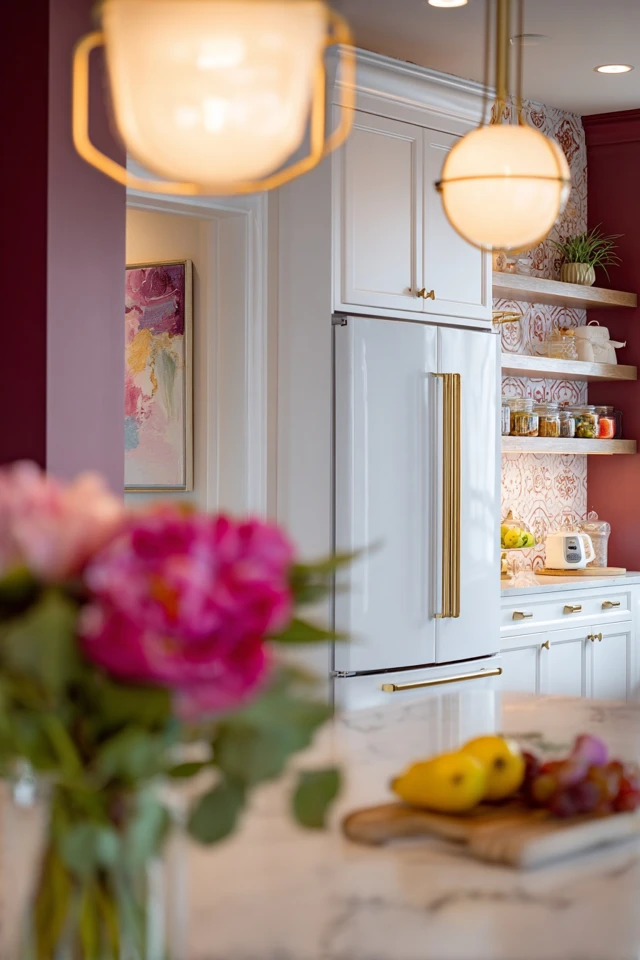
Which doors and finishes work best?
Pocket and bi-fold doors save swing space, which matters in a tight kitchen. A curtain on a tension rod is the budget version and costs very little. Glass-front doors add depth, though they show everything inside.
For shelves, laminate or sealed wood wipes clean after spills. Woodgrain laminate or engineered wood on visible parts keeps costs down. Woven baskets and canvas bins hide the visual mess and add texture. If you have a dog, keep open shelves with open bags above nose height and use lidded bins for kibble and treats.
Can paint and light make a small pantry feel bigger?
Yes. A light, slightly warm neutral inside the pantry reflects more light, and semi-gloss bounces more than matte. Matte is softer and hides wall flaws. If you want color, put it on the pantry door or the back of one shelf. Dark doors against light walls make a strong focal point, so use them only if you want the pantry noticed.
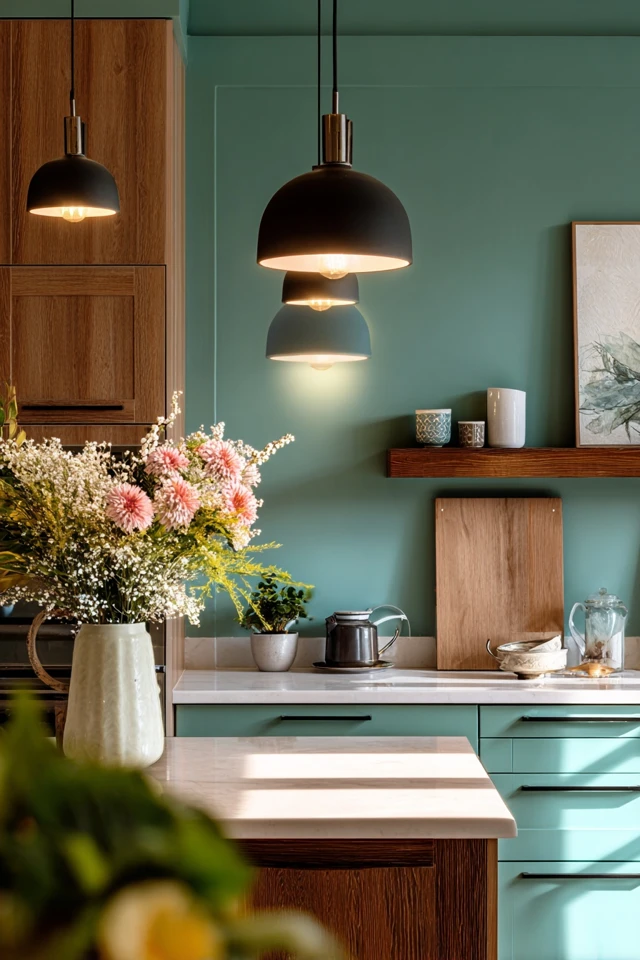
For a related look at color in the kitchen, see forest green kitchen ideas, or compare with more small pantry design tips.
A weekend plan
- Measure the gap, closet or wall, and note door swings.
- Pick one option: pull-out, cart, closet shelves or open wall.
- Move food away from warm cabinets.
- Decant staples into matching containers and label them.
- Add risers and battery lights.
Frequently asked questions
What is the latest trend for pantries?
Open shelving mixed with closed cabinets, and warm earthy colors, are popular. Keep the structure neutral and add trends through paint, hardware or containers so they're easy to change.
How to make a little pantry?
Measure a closet, alcove or wall gap, then fit adjustable shelves and bins. A cart or freestanding shelving works if you rent.
Can I mix open shelving and closed pantry cabinets?
Yes. Keep daily items on open shelves and bulk food behind doors. Repeat materials and container styles so the two parts look related.
How often should I clean out a small pantry?
Check dates and rotate stock a couple of times a year, and tidy shelves whenever they look messy. Put older items in front.
Filed under
ArticlesMeet the author
Written by an architect.
Julio Arco is a passionate architect with years of experience in architecture, interior design, urban design, and housing. He studied at prestigious universities across North America and Europe.

- Name
- Julio Arco
- Job
- Architect and online interior designer
- Studied
- Architecture, ITESM · Urban Design and Housing, McGill
- Partner
- Thor, Australian Shepherd
- Thor’s title
- Head of quality control