Small Cabin Interior Design: Budget Ideas That Work

By Julio Arco
Architect and online interior designer
In this post
- What makes a small cabin interior work?
- Rustic or modern
- How do you plan a small cabin interior layout?
- Which colors and light make a cabin feel bigger?
- How do you add storage without crowding the room?
- How do you layer lighting for a cozy feel?
- Small cabin interior design on a budget
- Does the cabin's style history matter?
- Frequently asked questions
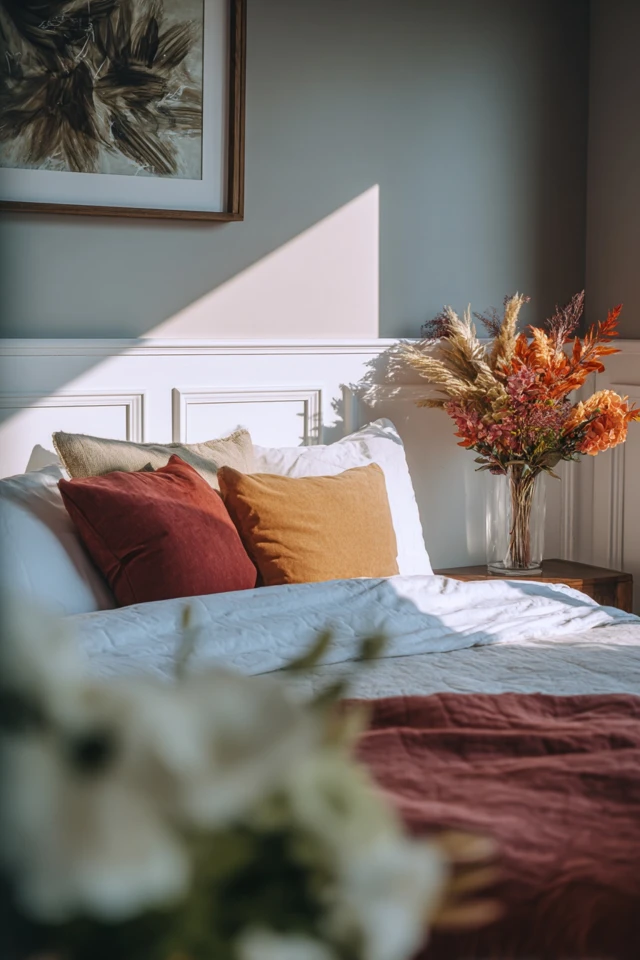
The fastest way to make a small cabin interior feel bigger and cozier is to keep the walls light, give every zone one job, and use lighting at several heights. Wood does the rest. Most of these changes cost little, and you can start with a can of paint and a few lamps.
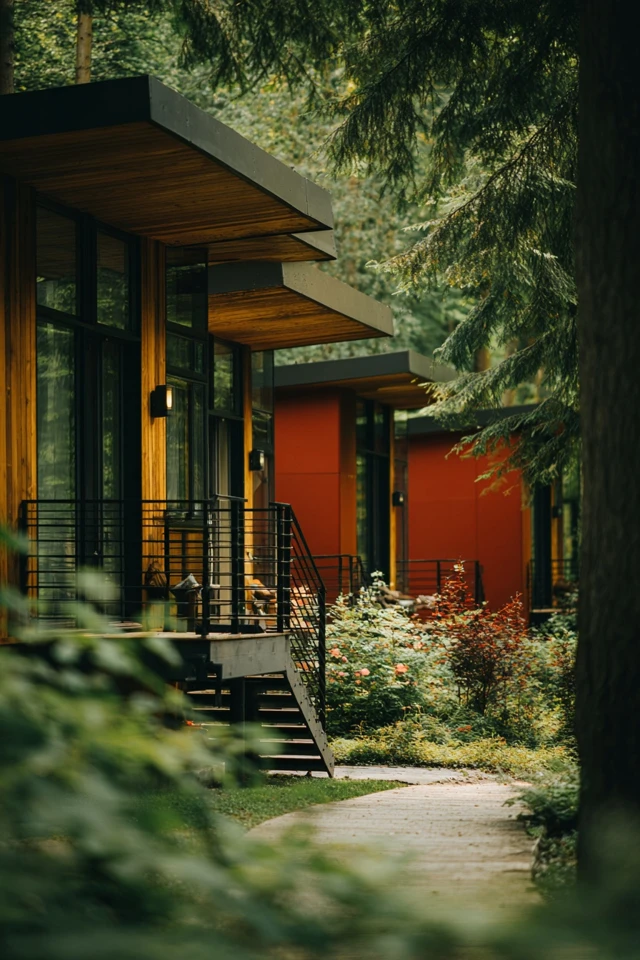
If your cabin is modest, you're in good company. Prepackaged cabin kits sold in Alaska often come in sizes like 20x24 feet or 16x20 feet, so a compact footprint is the normal starting point, not a problem to apologize for.
What makes a small cabin interior work?
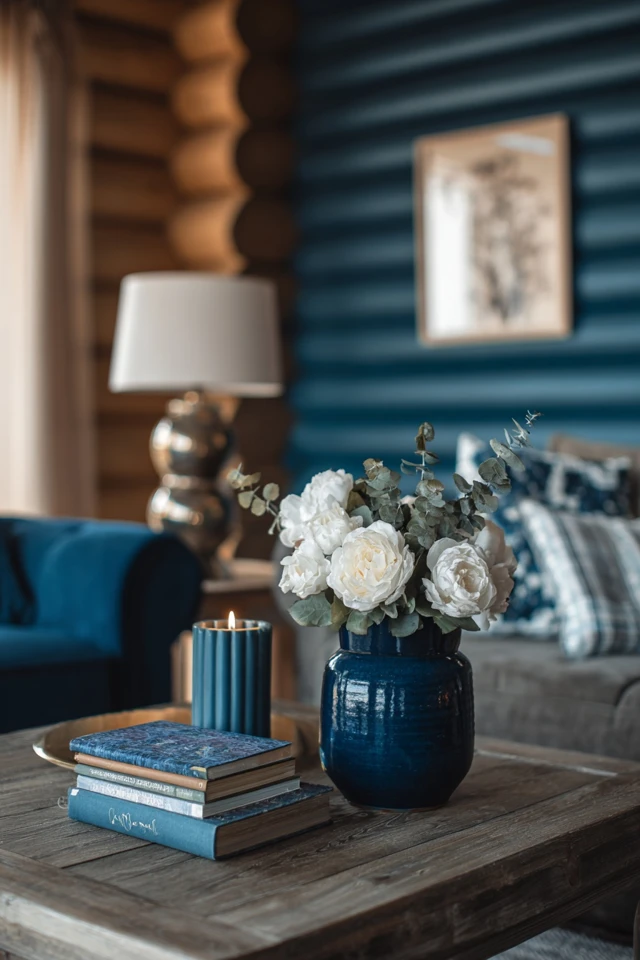
A cabin is just a home with a smaller footprint. Art Nash of the Cooperative Extension Service puts it this way: "A dry cabin is in many cases a typical home by function, which can be lived in year-round or seasonally." That means the usual rules apply: clear walkways, good light, storage for what you own, and a few materials repeated with care.
The main rule I'd give anyone is to pick one dominant material, usually the wood already on the walls or floor, then add a second and third texture in small doses. Wool, linen, black metal and a little stone are plenty.
Rustic or modern: which style suits your cabin?
Rustic small cabin interior ideas lean on raw timber, wool throws, iron hardware and patterned textiles. Modern small cabin interior design keeps the same wood but strips back: fewer objects, cleaner furniture lines, plain curtains and one or two bold accents.
In a tiny space, I recommend borrowing from both. Keep the warm wood, then choose slim-legged furniture and simple shapes so the room doesn't feel heavy. Wood on every surface plus bulky furniture is what makes a cabin feel like a cave.
How do you plan a small cabin interior layout?
List what happens in the room: cooking, eating, sitting, sleeping, maybe working. Then give each activity a spot and let rugs, lighting and furniture backs mark the edges instead of walls. This matters most in a one-room cabin, where everything shares the same air.
- Keep main walkways about 30 inches wide, and 36 where you can.
- Float a sofa or a bench behind the seating area to separate it from the sleeping corner.
- Use a rug to anchor the seating group, with the front legs of the furniture on it.
- Choose pieces that do two jobs: a storage ottoman, a nesting table, a bench with a lift-up seat.
- Keep tall furniture along one wall so sightlines stay open.
If a dog shares the cabin, leave a clear path from the door to their bed and avoid placing it in the main traffic line. A washable rug near the entry saves a lot of grief on muddy days.
Which colors and light make a cabin feel bigger?
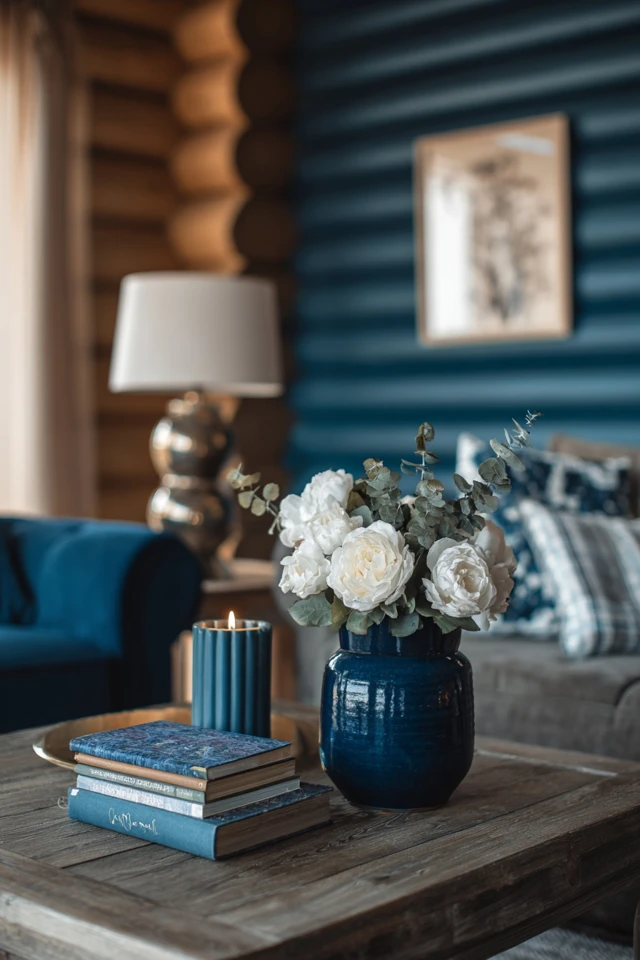
Light, low-saturation walls reflect more daylight and make a room read as larger. Warm whites, soft greige and muted sage sit well beside most wood tones. If the wood is already dark, paint the ceiling a light shade so it doesn't press down.
Light direction changes how paint looks. North-facing rooms get cooler daylight, so warmer tones help. South-facing rooms can handle deeper blues and greens. Test a sample on two walls and look at it in the morning and at night before you commit.
Keep windows as bare as privacy allows. Simple linen curtains hung high and wide let the glass show fully and add height.
How do you add storage without crowding the room?
Go up. Wall shelves, pegboards, hooks and tall cabinets use space you'd never walk through anyway. Closed wooden fronts look calm; open shelves look cabin-like but need editing.
- Put hooks by the door for coats, leashes and bags.
- Use the space under the bed for lidded bins.
- Build or buy a bench with storage under the window.
- Swap cabinet knobs and pulls for black or aged brass ones. It's a cheap update that changes the look.
How do you layer lighting for a cozy feel?
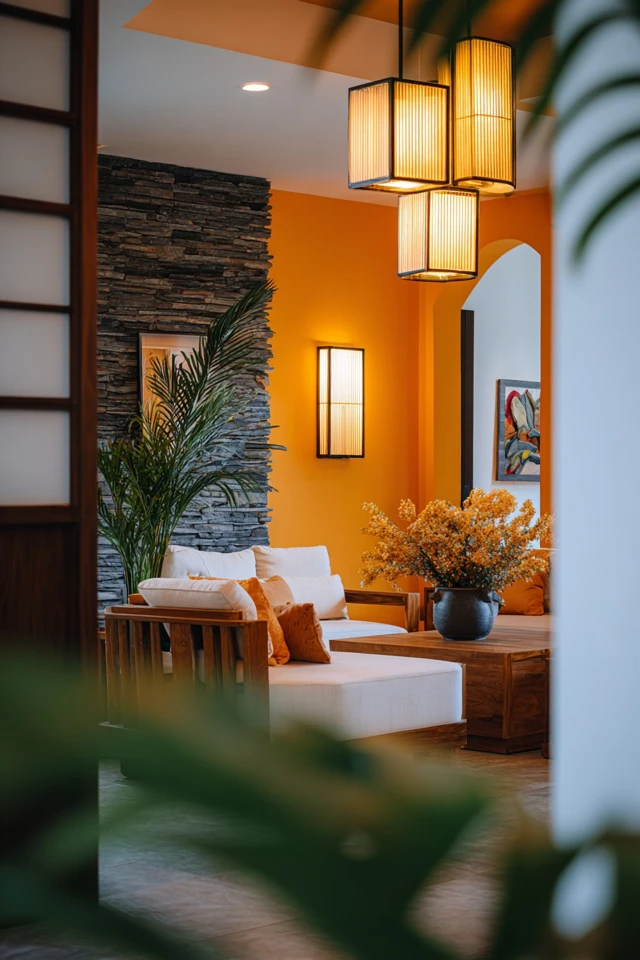
Use three levels: a general light (ceiling or pendant), task lights where you read or cook, and small accent lamps for evening. Warm bulbs and a dimmer make the biggest difference to the mood. Low table lamps and wall sconces also free up surfaces, which helps in a tight room.
Small cozy cabin interiors depend on this. A single bright overhead light flattens the wood and makes the room feel like a waiting room.
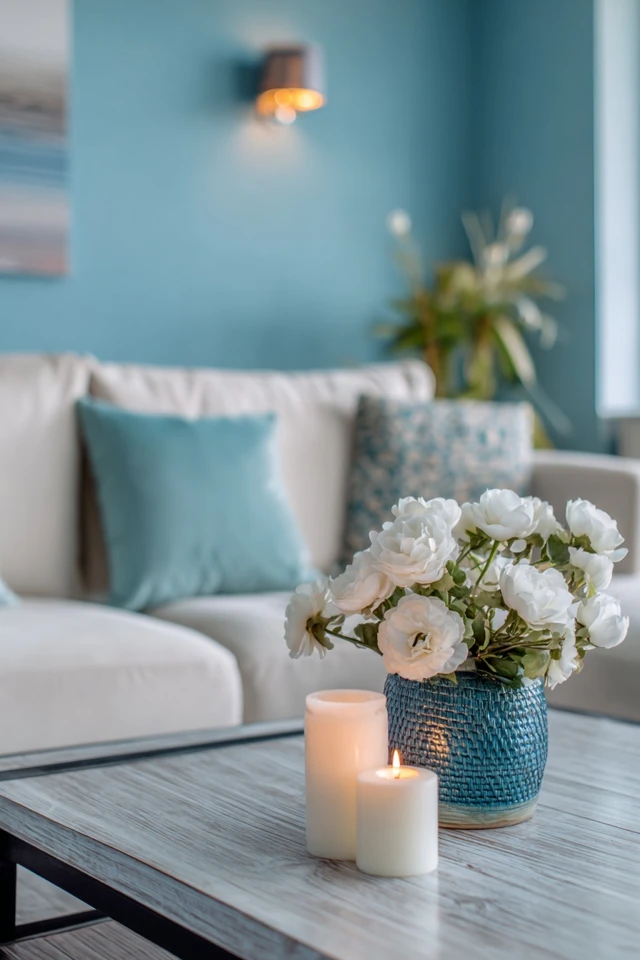
Small cabin interior design on a budget
Spend where the change is largest and the cost is lowest. In my order of priority:
- Paint walls or ceilings that are too dark.
- Add warm lighting and dimmers.
- Layer natural-fiber rugs and washable textiles, such as wool or jute rugs and linen cushions.
- Replace hardware on cabinets and doors.
- Shop thrift and salvage stores for one statement piece, like a vintage dresser or a sculptural chair.
- Add hardy plants such as pothos or snake plants if there is decent light. If you have pets, check with your vet or the ASPCA plant list before buying, since some common houseplants are toxic to dogs and cats.
Choose oiled wood and matte paint over high gloss. They hide scratches better and age more kindly, which matters with claws on the floor.
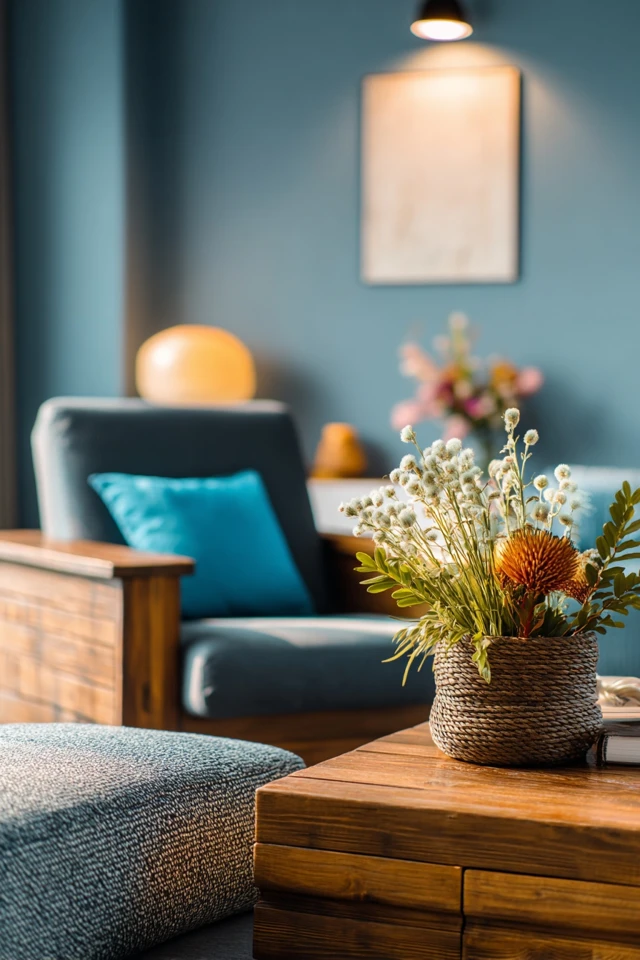
Does the cabin's style history matter?
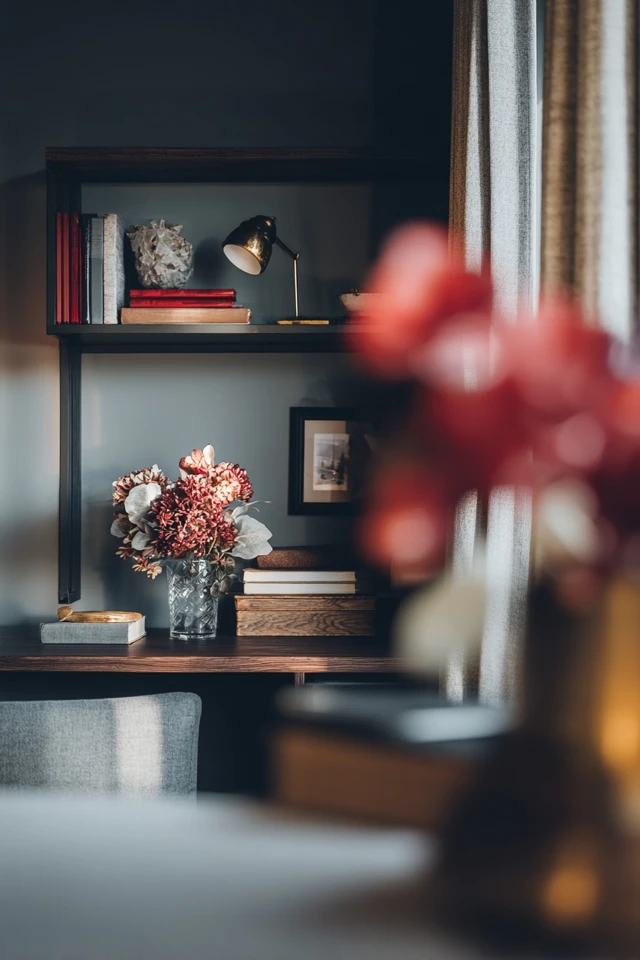
Only if you like it. Some cottage-style trim borrows from older American styles. The National Park Service notes that the dominant characteristic of the Italianate style was the low, overhanging roof with decorative eave brackets, which is why you sometimes see bracket details on rustic buildings. Copy a detail like that if it suits you, and skip it if it doesn't. For more ideas on the same theme, see our wood cottage ideas, and if your cabin has a sloped roofline, vaulted ceiling ideas are worth a look. A compact desk corner can borrow from these office shelving ideas, and Ikea alternatives can help you furnish on a budget.
Frequently asked questions
What are some good ideas for the interior of a small cabin?
Light walls, slim furniture, vertical storage, a rug to anchor the seating and layered warm lighting work in almost any small cabin. Keep wood as the main material and add wool or linen for softness.
What is the 3-5-7 rule in decorating interior design?
It's a styling guideline that groups decor items in odd numbers, usually three, five or seven, because odd groupings tend to look more natural than pairs. It's a rule of thumb, not a requirement.
What is the cheapest way to build a small cabin?
Prepackaged kits and simple rectangular footprints usually keep costs down, since they avoid custom framing and complex rooflines. Costs vary a lot by region, so get local quotes and check building codes.
How can I make a one-room cabin feel less cramped?
Separate zones with a rug and a low piece of furniture instead of tall dividers. Keep walkways clear, use wall storage and avoid dark paint on the ceiling.
Filed under
ArticlesMeet the author
Written by an architect.
Julio Arco is a passionate architect with years of experience in architecture, interior design, urban design, and housing. He studied at prestigious universities across North America and Europe.

- Name
- Julio Arco
- Job
- Architect and online interior designer
- Studied
- Architecture, ITESM · Urban Design and Housing, McGill
- Partner
- Thor, Australian Shepherd
- Thor’s title
- Head of quality control