White Home Office Decor: Calm Layouts, Textures and Color
White home office decor that stays warm and focused: pick the right whites, layer texture, plan lighting and desk setup, add color pops.

By Julio Arco
Architect and online interior designer
In this post
- How do you keep an all-white office from feeling cold?
- Which white should you choose?
- How should you lay out a white home office?
- Set up the desk so your body is comfortable
- Layer texture, wood and metal
- Light the room in layers
- How do you add color to a white office?
- Keep it current without redoing the room
- Frequently asked questions
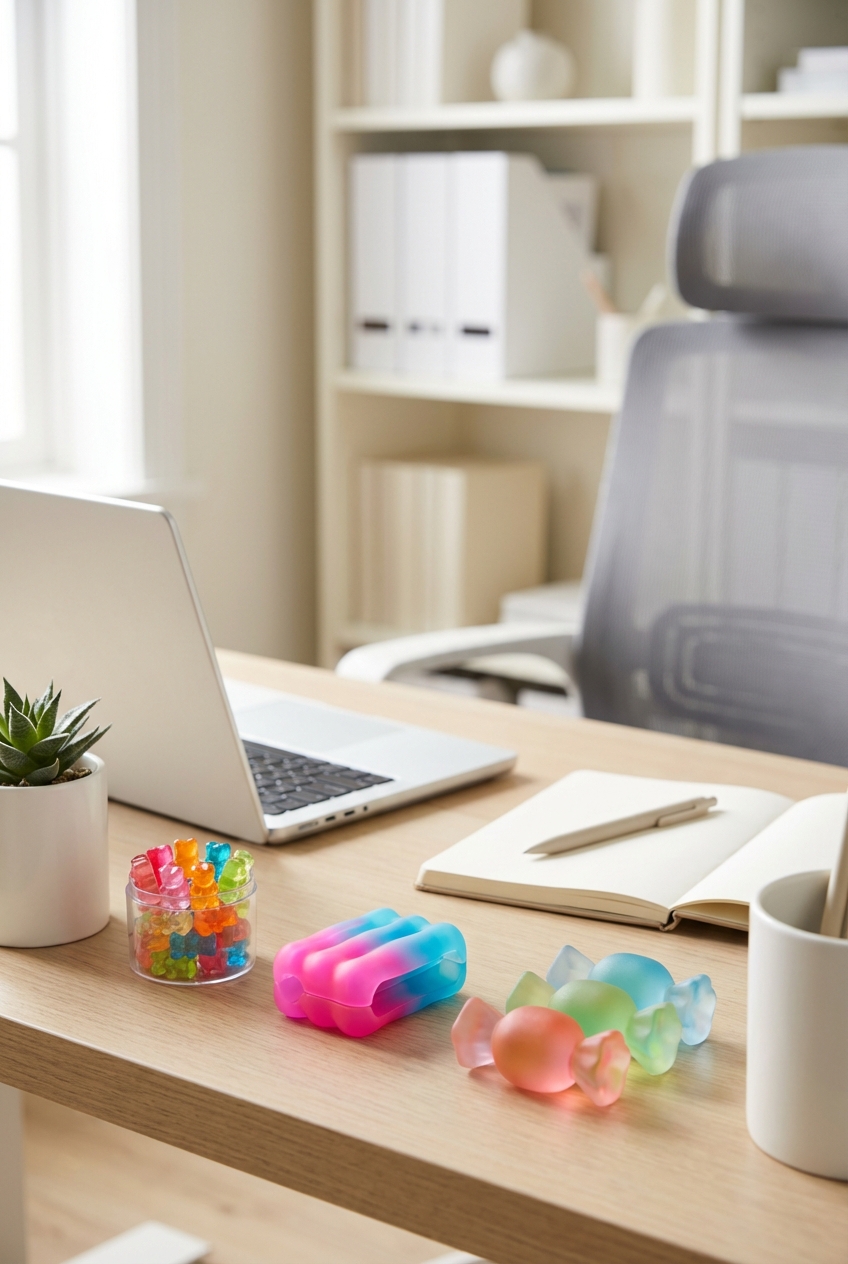
A white home office works when you treat white as several materials, not one paint color: mix warm and cool whites, add wood and fabric for texture, and control the light so the room doesn't glare. Do that and you get a quiet, bright room that is easy to focus in.
White has a bad reputation for feeling sterile, and it's deserved when every surface is the same flat tone. The fixes are simple and mostly cheap, so don't worry if your office currently looks like a waiting room.
How do you keep an all-white office from feeling cold?
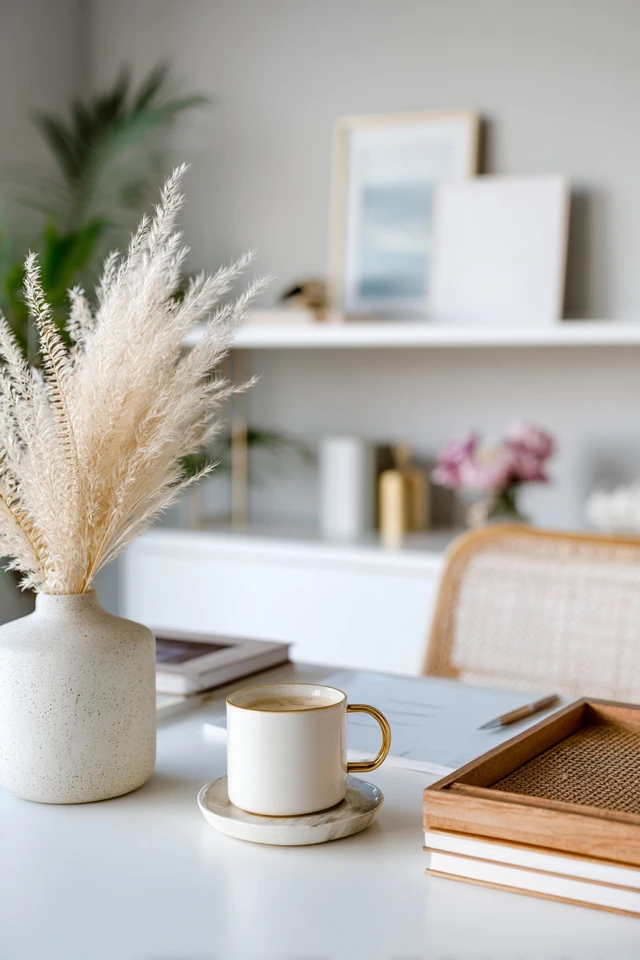
Vary the whites and vary the surfaces. Put a warm ivory wall next to a crisp white shelf, or a matte wall next to satin cabinetry. Glossy finishes bounce light and create sharper reflections, while matte paint absorbs it and softens shadows, so a mix keeps the room from looking flat.
Then ground the room. White walls and a white desk with nothing darker in the space will feel like they float. A mid-tone rug, a wood desk top or a dark metal task lamp gives the eye somewhere to land.
Which white should you choose?
Undertone matters more than the name on the can. Warm whites (yellow or red undertones) feel cozy and suit an office that doubles as a reading nook. Cool whites (blue or green undertones) look crisper and more modern, which many people prefer for screen work.
Light changes everything, so test a large swatch on the wall and look at it in the morning and in the evening. As a rule of thumb, rooms that get strong direct sun can handle cooler whites, and dimmer rooms usually look better with warmer ones. Off-whites also cut glare better than a pure bright white under a sunny window.
How should you lay out a white home office?
Start with the desk and the window. Place the desk so daylight comes from the side, which keeps reflections off your screen. If you face a window, you get the view and the daylight, but you may need a sheer shade for the brightest hours.
Leave about 32-36 inches of clear floor around the desk chair so you can move without bumping things. In an open-plan home, a low bookcase or a rug can mark the work zone without walling it off.
Small offices
A wall-mounted desk, floating shelves and a narrow credenza keep the floor open, and open floor makes a small room feel larger. In a tight corner, go vertical with pegboard or wall cubes. If your office shares space with another room, see how others handle it in these office-in-kitchen ideas and this kitchen home office post.
Larger rooms
Use a rug and a pendant light to define the desk area, and add a reading chair in a second zone. Otherwise a big white room can feel like an empty gallery.
Set up the desk so your body is comfortable
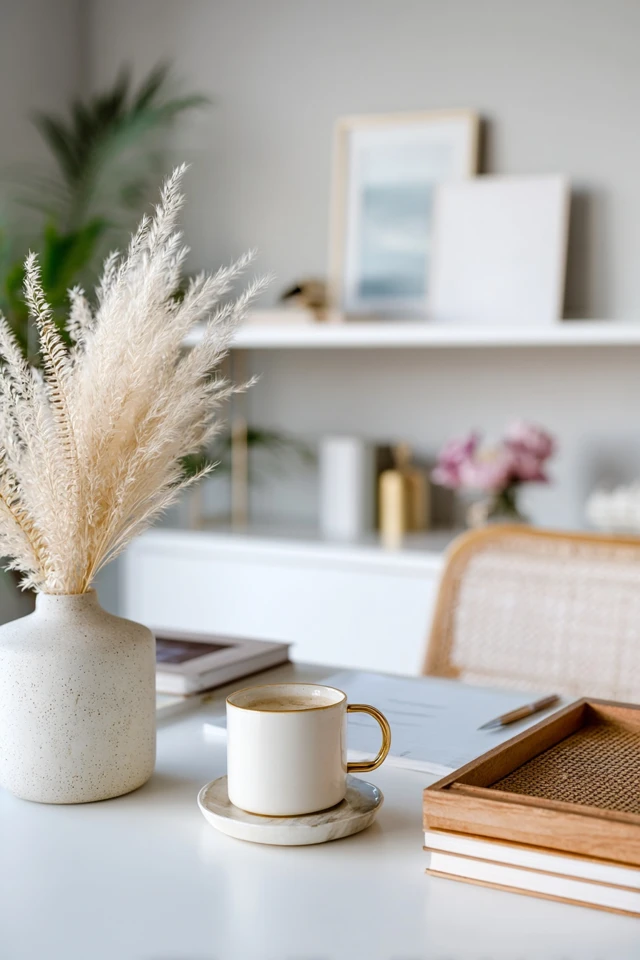
A pretty room still needs a workable desk. OSHA's computer workstation guidance says the top of the monitor should be at or just below eye level. For your arms, OSHA describes elbows staying close to the body and bent between 90 and 120 degrees. Adjust the chair and desk height first, then style around them.
Hide cables in a tray under the desk or in a channel along the wall. Visible cords are the fastest way to break a calm white look.
Layer texture, wood and metal
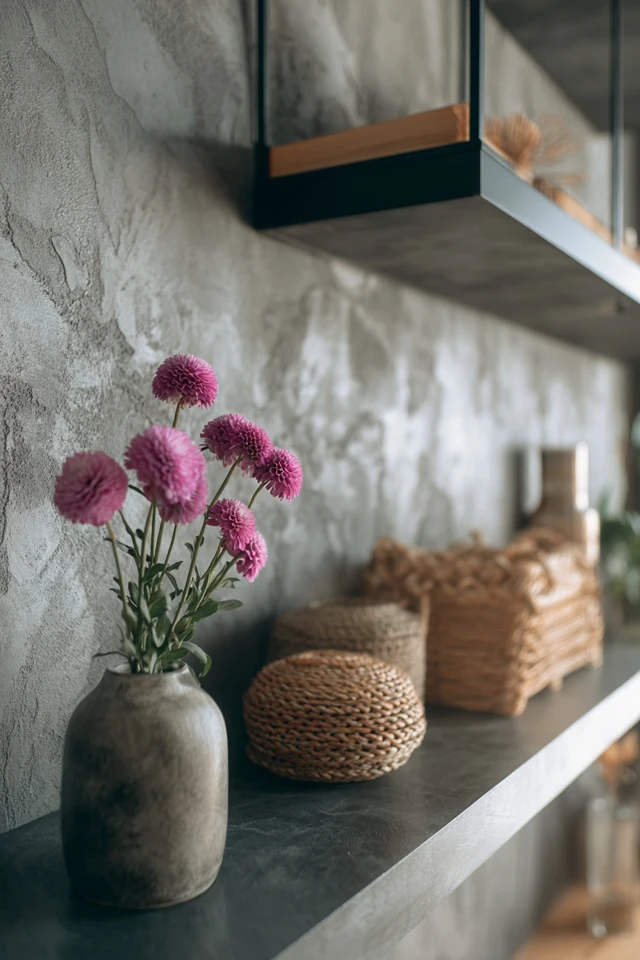
Texture does the work that color usually does. A light oak or ash desk top, a wool or washable flat-weave rug, linen curtains and a bouclé chair give a white room depth and also absorb some sound.
Keep metals to a couple of repeated finishes, such as brushed brass on the lamp and cabinet pulls. Repeating a finish makes the room look planned. If a dog shares your office, I recommend washable covers and a rug you can launder; white upholstery and paws don't mix well otherwise.
Light the room in layers
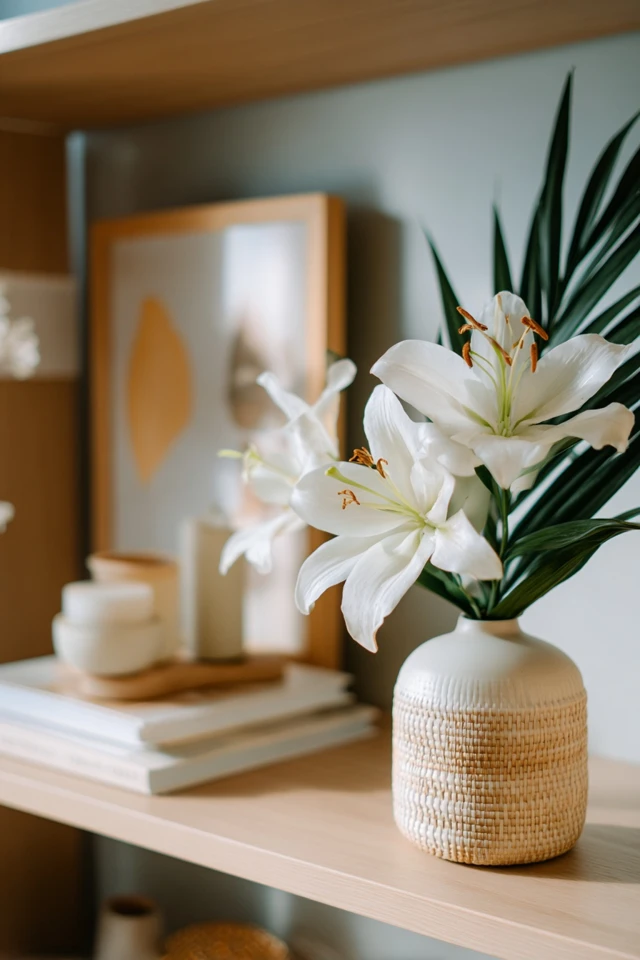
White amplifies both light and glare, so plan three layers: ceiling light for general use, a desk lamp for tasks, and a sconce or picture light for mood. Bulbs around 2700K feel warm for a reading corner, and something closer to 4000K is brighter for desk work. Put the task light on the side opposite your writing hand so your hand doesn't cast a shadow on the page.
How do you add color to a white office?
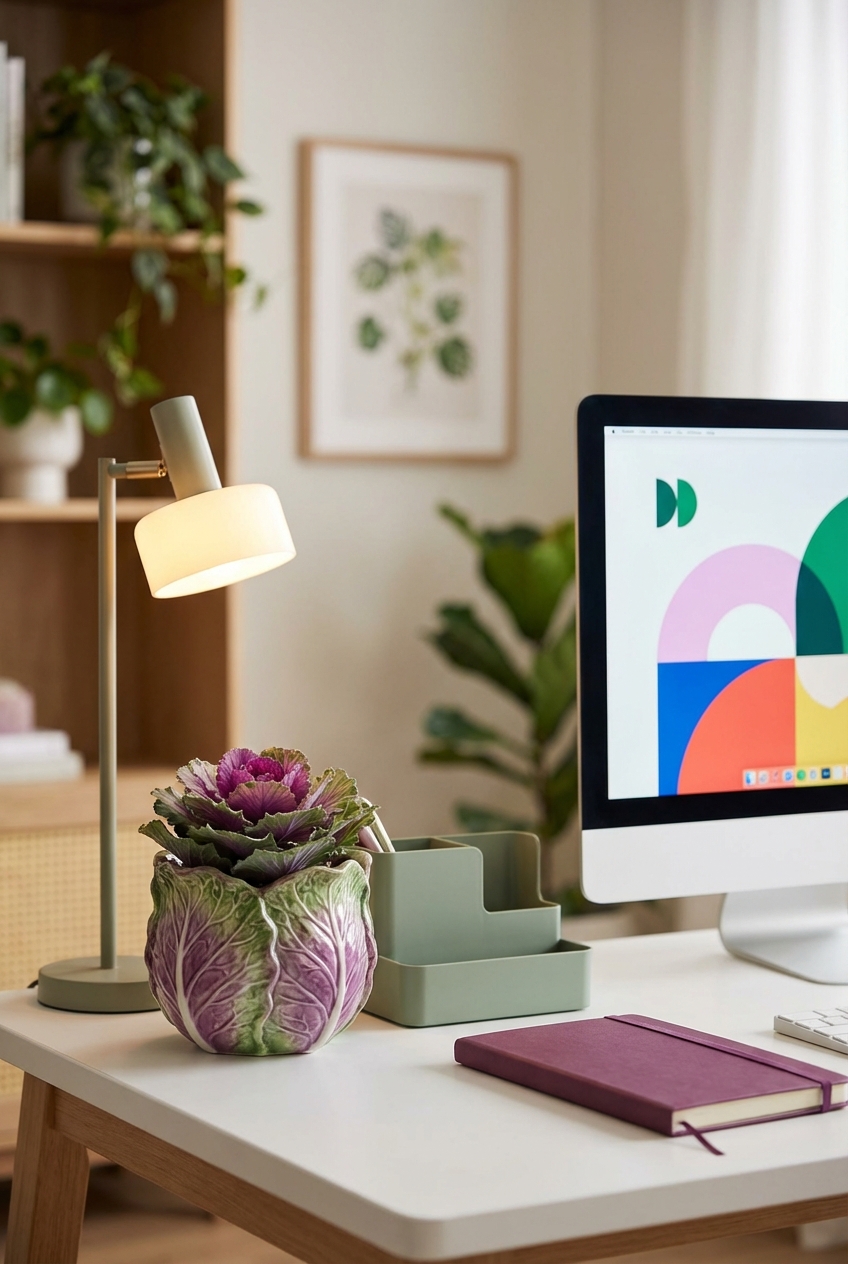
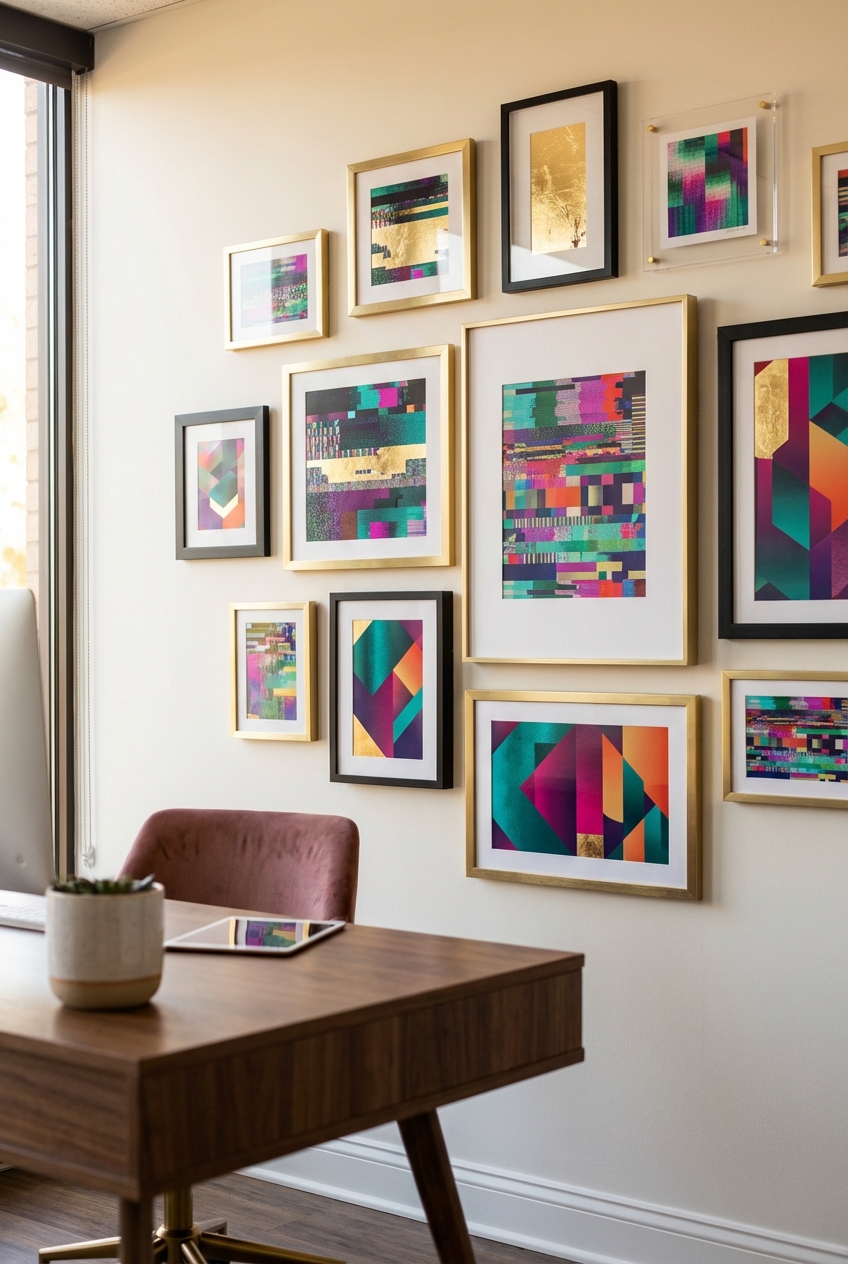
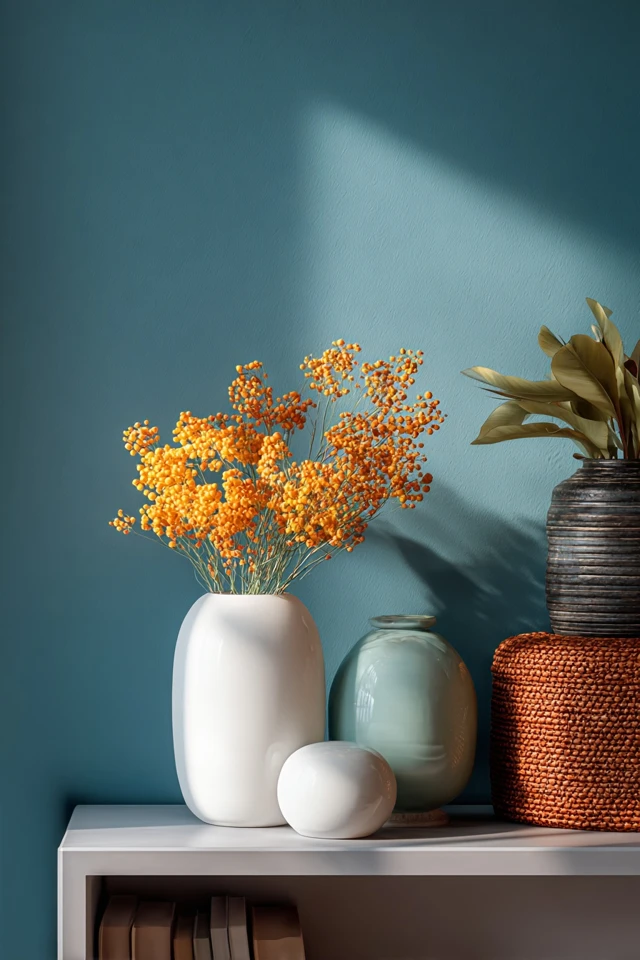
You don't have to give up the white base. Small doses work well: a sage or slate blue chair, a terracotta vase, a framed print with one strong color. If you want a statement wall home office, paint just the wall behind the desk (or behind a shelf) and leave the rest white. A bold wall color for home office use reads best on the wall you see when you look up from the screen, not the one behind you on video calls.
Blue is a reasonable place to start. In a study by Isabella S Bower at Deakin University, "The findings show that blue coloring of the built environment increases autonomic range and is associated with modulations of brain activity linked to emotional processing." That is one lab study of color exposure, not a promise about productivity, so pick the color you like looking at. For more colorful home office ideas, the same rule applies: keep the base calm and let one or two colors carry the personality.
Keep it current without redoing the room
Among modern home office design ideas, the ones that last are simple: one sculptural chair or lamp, classic storage in a neutral finish, and accessories you can swap cheaply. Low-VOC paint is a sensible choice for a room you spend hours in. Rotate the art on a shelf or wall now and then, and the room feels refreshed without a project.
A medium-size plant or a tray of small succulents softens all that white. If you have a cat or dog, check with your vet or the ASPCA plant list before choosing, since some common houseplants are toxic to pets. For a creative workspace with more going on, look at these art studio ideas.
Frequently asked questions
How can I make a small white office feel bigger?
Use wall-mounted or slim furniture, keep walkways clear and store things vertically. A mirror or glossy surface opposite the window bounces daylight deeper into the room.
What white paint finish is best for a home office?
Matte or eggshell cuts glare on walls. Satin suits trim and cabinetry because it wipes clean more easily.
How do I mix patterns in a mostly white room?
Limit yourself to two or three muted colors and vary the scale: a small geometric pillow, a medium striped rug, one large abstract print. Keep the contrast low so the room stays calm.
How can I add color without losing the white look?
Start with one chair, a piece of art or a single painted wall. Muted tones such as sage, soft terracotta or slate blue sit comfortably against white.
Filed under
ArticlesMeet the author
Written by an architect.
Julio Arco is a passionate architect with years of experience in architecture, interior design, urban design, and housing. He studied at prestigious universities across North America and Europe.

- Name
- Julio Arco
- Job
- Architect and online interior designer
- Studied
- Architecture, ITESM · Urban Design and Housing, McGill
- Partner
- Thor, Australian Shepherd
- Thor’s title
- Head of quality control